

Last modified on: 12 Aug 2026
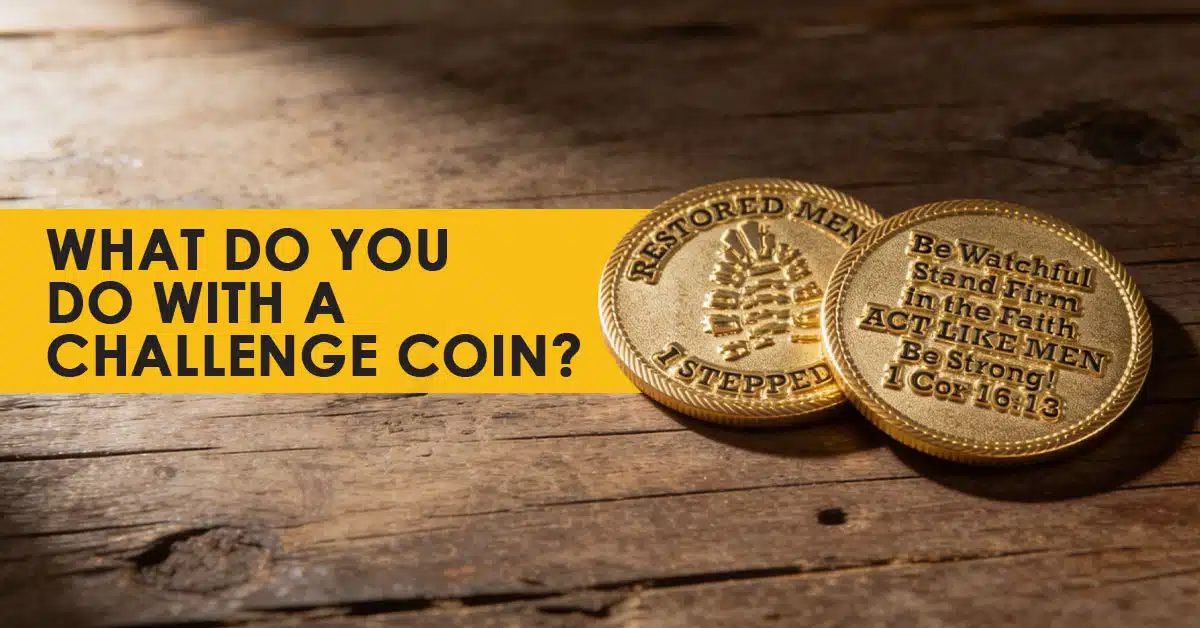
Challenge coins are much more than collectible keepsakes. Originally rooted in military tradition, challenge coins were used to recognize service members, commemorate missions, and strengthen camaraderie among units, symbolizing honor, unity, achievement, and shared experiences.
Today, challenge coins have expanded far beyond the military. Businesses, nonprofits, government agencies, sports teams, community groups, first responders, schools, and even families now create custom coins to celebrate milestones, reward accomplishments, and preserve meaningful memories.
If you’ve ever wondered what to do with challenge coins, the answer depends on the tradition, the group, and the meaning behind the coin itself. Some people carry them daily. Others proudly display challenge coins at home or in the office. Many participate in challenge coin games, while others exchange or gift them as signs of respect and appreciation.
No matter how they’re used, challenge coins remain powerful symbols of connection and identity.
Challenge coins trace their origins back to military culture, where they represented membership, loyalty, and achievement within a specific unit or organization. Over time, challenge coin traditions became deeply woven into military life, often accompanied by stories, rituals, and friendly competitions.
As the popularity of custom challenge coins grew, civilian organizations adopted the tradition for their own purposes, including:
Despite their wider use today, many of the customs and challenge coin rules still reflect their military roots.

There are many ways to enjoy and preserve challenge coins. Depending on your goals, you may choose to carry your coin, display it, trade it, or participate in challenge traditions. Some of the most popular uses include:
| Use | Purpose |
| Carrying daily | Personal pride and readiness for coin checks |
| Coin challenges | Friendly competition and camaraderie |
| Displaying challenge coins | Showcasing collections and achievements |
| Gifting coins | Recognizing accomplishments or appreciation |
| Trading coins | Building collections and connections |
| Commemorating events | Preserving memories and milestones |
One reason challenge coins have endured for generations is the etiquette and traditions that surround them. While challenge coin rules can vary slightly from group to group, several common practices remain widely recognized.
At the heart of the tradition is mutual respect. Receiving a challenge coin is often considered an honor, which is why proper etiquette matters.
One of the most well-known challenge coin rules is simple: Always keep your coin with you. If a coin check happens and you cannot produce your coin, there may be consequences.
Carrying your coin daily helps prevent scratches and damage while ensuring you’re always prepared for a challenge. Many enthusiasts treat challenge coins as part of their EDC (Everyday Carry), storing them in:
Because challenge coins often represent meaningful achievements or memories, they should always be handled respectfully. Challenge coins should never be treated casually or modified improperly. Traditional etiquette discourages:
Different organizations sometimes follow different challenge coin traditions. Before starting a coin game, make sure everyone understands the rules and expectations. This avoids confusion and keeps the experience fun for everyone involved.
One of the most famous traditions surrounding challenge coins is the coin check drinking game. While the rules vary by group, the general concept remains consistent.
A member of the group initiates the challenge by displaying or striking their challenge coin against a table or bar surface. Everyone in attendance must then produce their own coin.
Some groups create additional rules or modifications, but these basics are widely recognized:
While the game often involves drinks, many organizations adapt the challenge for family-friendly or workplace settings by substituting coffee, snacks, or small rewards. To keep the tradition enjoyable:
Because many collectors and military members carry coins regularly, protecting them is important. High-quality custom coins can last for generations when properly cared for.
Protective sleeves or coin capsules help prevent:
Coins stored loosely with keys or pocket tools can become scratched over time.
Moisture exposure can damage metal finishes. If your coin becomes wet, dry it thoroughly before storing it again.
Many collectors reserve rare or sentimental coins for display while carrying more durable coins daily.
For many collectors, displaying challenge coins is one of the most rewarding parts of ownership. A well-organized display highlights achievements, memories, and milestones while protecting coins from damage. Fortunately, there are many creative ways to showcase a collection.
Glass-front display cases provide excellent protection while allowing collectors to showcase rare or valuable coins. Best for:
Wooden or acrylic racks offer a simple and affordable display solution. Best for:
Shadow boxes allow collectors to combine challenge coins with photos, medals, patches, or memorabilia. Best for:
Some collectors build custom shelves designed specifically for challenge coin dimensions and themes. Best for:
| Display Type | Best For | Benefits |
| Coin case | Valuable collections | Protection and organization |
| Coin rack | Everyday display | Easy access and visibility |
| Shadow box | Commemorative displays | Combines multiple memorabilia items |
| Acrylic stand | Single featured coin | Minimalist presentation |
| Custom shelving | Large collections | Fully personalized display |
Challenge coins are often exchanged as meaningful gestures of appreciation and respect. In military and professional settings, receiving a coin directly from a leader or organization can carry significant emotional value.
Challenge coins are commonly gifted for:
Traditionally, challenge coins are presented directly by hand whenever possible. This personal exchange reinforces the importance of the moment. Many organizations also include:
Collectors frequently trade coins with others to expand their collections or commemorate shared experiences.
For many collectors, the stories and relationships connected to a coin are just as valuable as the coin itself. When trading challenge coins:
One of the reasons challenge coins remain so popular is the nearly endless customizations available. Modern challenge coin designs can incorporate unique shapes, colors, finishes, and materials to reflect a group’s identity. Military organizations often emphasize unit insignias, mottos, and symbolic imagery, while civilian groups may focus on company branding, event themes, or shared experiences.
The best custom challenge coins tell a story and create a lasting emotional connection. Popular design features include:
Challenge coins continue to grow in popularity because they represent something deeply personal: achievement, belonging, and shared experiences.
Whether you carry one daily, participate in coin checks, trade with fellow collectors, or proudly display challenge coins in your home or office, each coin tells a unique story.
From military traditions to corporate recognition programs, challenge coins remain lasting symbols of honor, connection, and community.
No, you are not strictly required to always carry your challenge coin, but many enthusiasts and organizations strongly encourage it. In traditional challenge coin etiquette, carrying your coin is part of the fun and responsibility, especially if your group participates in coin checks. Many people treat their coin as part of their EDC (Everyday Carry), keeping it in a wallet, pocket pouch, or protective case so it’s always available if a challenge occurs.
That said, how strictly this rule is enforced depends entirely on your group. Some communities are casual, while others take the tradition more seriously.
In most cases, nothing formal happens if you simply drop your coin, but it’s generally considered poor etiquette and bad luck in more traditional groups. Challenge coins are meant to be handled with care, so dropping one may be seen as a sign of carelessness.
If the drop occurs during a coin check or challenge situation, some groups may treat it as a “loss,” depending on the house rules (for example, you might owe a round of drinks). However, this is not universal. Many groups would simply reset the challenge and continue.
The safest approach is to treat your coin with respect and handle it carefully to avoid damage or unnecessary mishaps.
A coin check is usually initiated in a social setting, most commonly at a bar, gathering, or group event. The person starting the challenge typically:
Once initiated, everyone present must immediately produce their challenge coin. If someone cannot, they usually “lose” the round according to the group’s rules, often meaning they buy drinks or another agreed-upon reward.
Because rules can vary, it’s always best to make sure everyone understands the specific challenge coin rules before starting.
Yes, but with an important distinction. Giving someone a challenge coin is considered a meaningful gesture and is often done intentionally to honor, recognize, or include them in a group or achievement.
You should not casually pass around or loan your coin during a challenge situation. In traditional challenge coin etiquette, handing your coin to someone during a challenge is often considered the same as gifting it to them permanently.
If someone wants to see your coin, the proper etiquette is to let them view it in your hand or place it on a surface, not pass it directly as a casual handoff.
In short:
Many people assume they need a fully developed design before ordering custom challenge coins. Our experienced coin designers can help you transform even a rough idea into a polished final product. At Custom Challenge Coins, we offer:
Ready to create a custom challenge coin for your team, organization, or event? Contact us today to start your design and bring your vision to life.

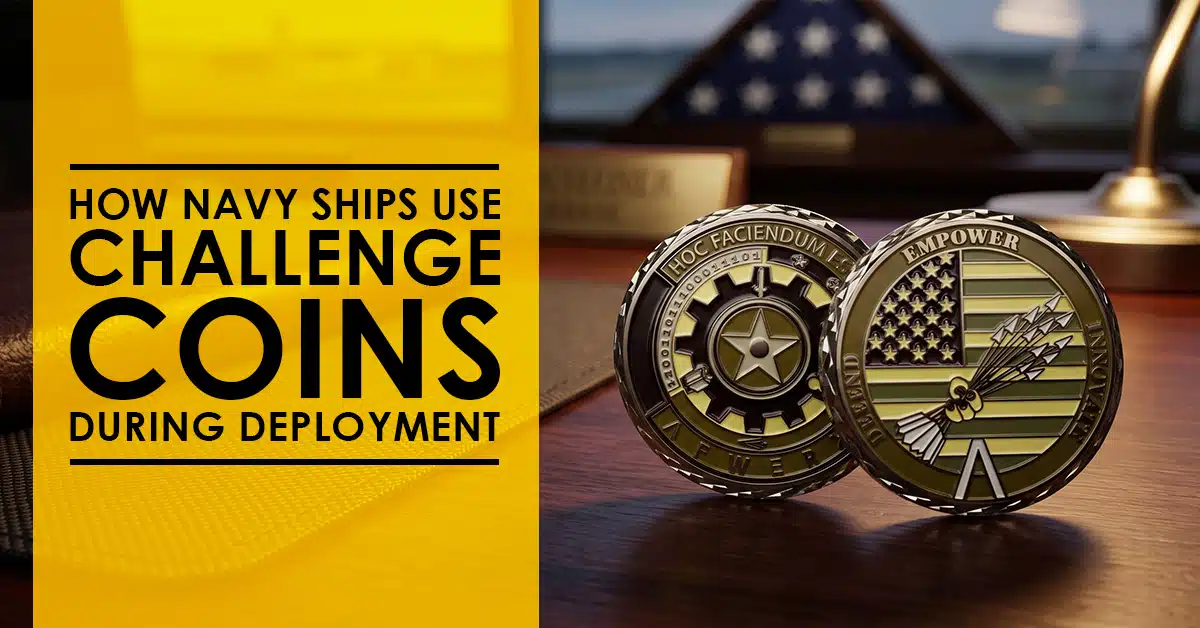
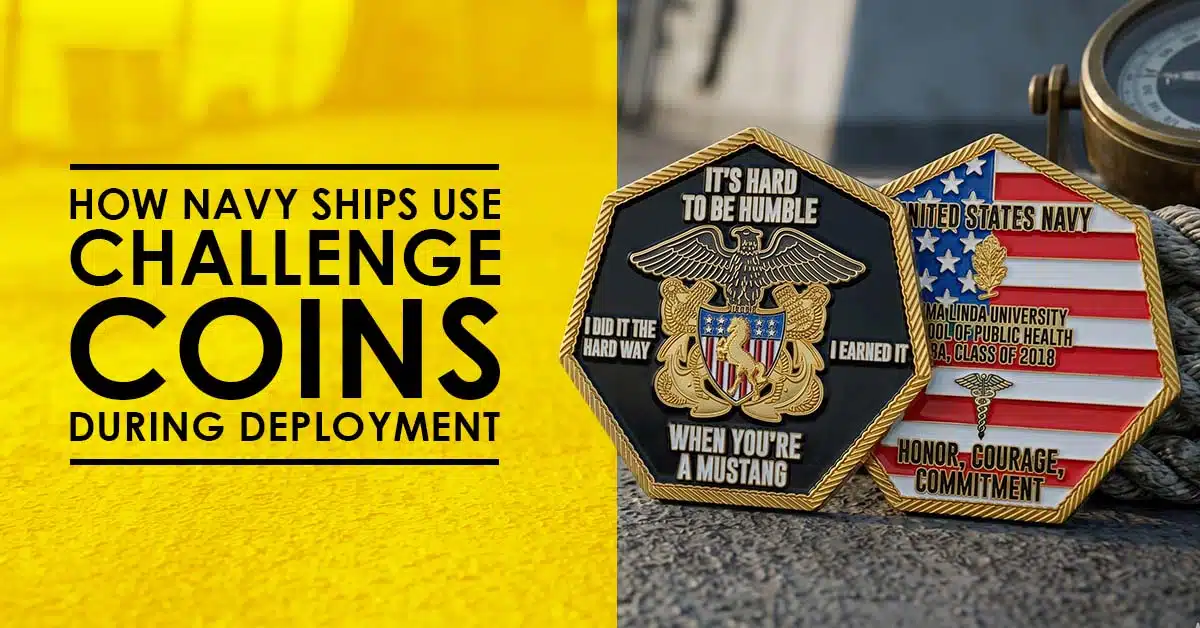

Join Us!
Buy Sample PacksCopyright © 2026 customchallengecoins.net - a division of MetalPromo







You've taken the first step toward crafting something truly lasting. Whether for your team, your organization, or a milestone that demands recognition, we are here to bring that vision to life.
You're getting this because you engaged with our latest community story. We love seeing the passion behind every request, and we're excited to share our expertise with you.
As promised, here is the document you requested.
Questions? Simply hit reply. Our team is ready to discuss your specific vision and how we can best support your goals through expert craftsmanship.
Stay tuned for more insights, inspiration, and tools for leadership.
Best regards,
The Custom Challenge Coins Team
© 2026 Custom Challenge Coins. All rights reserved.